Meet The Team
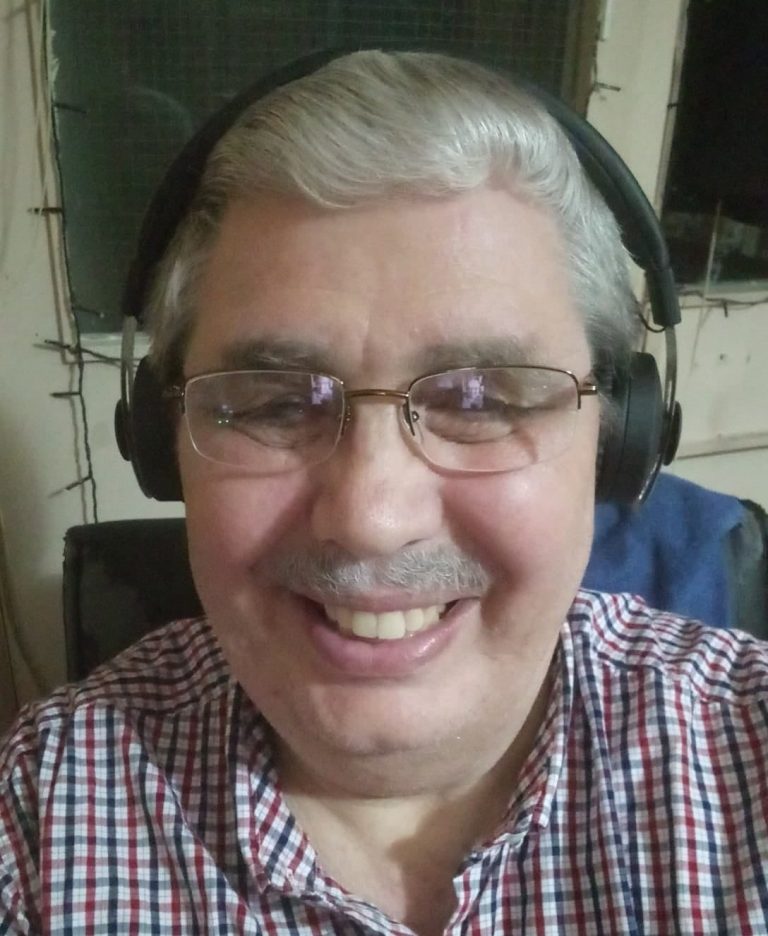
Mark Witham
CEO and Founder of Perivale Sound Radio
Mark founded Perivale Sound (later to be called Perivale Sound Radio) in August 2018. The station first went live on 25th August, 2018.
Mark is the main presenter and with the expansion of the station it is hoped that other presenters will come to join in with the creation of shows and other items of interest.
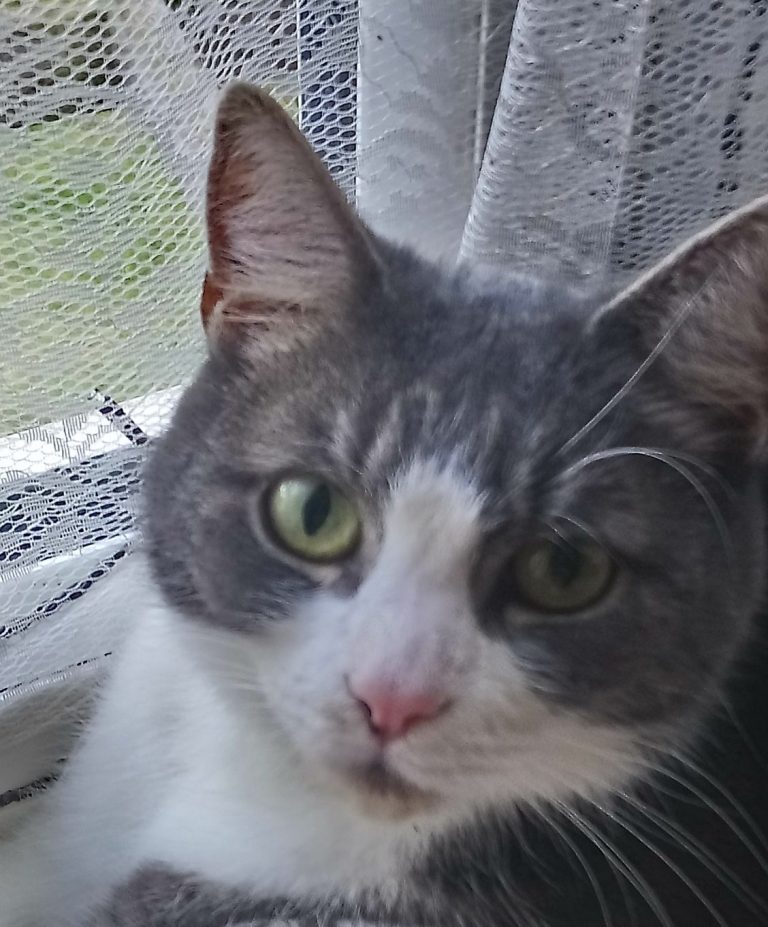
KitTheKat (The Studio Cat)
Lean, Mean Purring Machine
She is very much part of the studio and does , on occasions, joins in with a few, well-timed meows.
KitTheKat even has her very own microphone! She can and does use it when she wants or when she feels like it! MEEEOOOW

Darrell Borum Jr.
Group Page Moderator
I was born in Norfolk, Virginia in the fading days of the 60's and moved temporarily to Palmdale CA, returning to a quiet cul-de-sac in Richmond Virginia in the early 1980's.
I got to know Perivale Sound Radio in the early part of 2019. I was asked to be a moderator sometime in 2020/21 I can't remember exactly and I'm glad to have said yes. I very much enjoy helping the station when I can.
Preparation, Production and Presentation
Here at Perivale Sound Radio a lot of effort goes into preparing the show you come to listen to. Have you ever wondered how the music gets from preparation through to the final production you hear? Let us deal with a show that uses a Presenter (We like to be called presenters rather than DJs because we present the finished article and add our touch of magic in what we say between songs). It all begins in the production stage. First and foremost we think about the type of show, the musical genre, general content and the length of the show. Most shows on Perivale Sound Radio are three hours long. There are some which are two hours and one that is just 90 minutes in duration. We also split the week up into two parts, they are Early Afternoon and Afternoon. An Early Afternoon show is any show that is scheduled to start at Noon and goes through to 3:00pm. An Afternoon show is any show that is scheduled to start at 2:00pm with a duration of two hours or more. Monday through to Saturday we also broadcast Evening shows which start at 9:00pm and usually have a duration of three hours (Special and Event shows can either finish sooner than Midnight or later than Midnight). The Evening shows on occasions do "run over". There is one show which has a very late start and finish and that is "Nightcap" which begins at 11:00pm and finishes at 12:30am (Midnight 30).
For convenience let's look at an Early Afternoon show using MP3 files for the music. This is perhaps the easiest show to produce. All MP3 files have the length in minutes and seconds. Most playlists are drag and drop and add the total running time of the chosen tracks. For this example let's choose the show "Rush Hour" a three hour show and has very little talking in it. It's not a question of choosing tracks until the total time reaches three hours. You have to think about how much talking you'll be doing between tracks. The talk time has to be taken into account. Then there's the station jingles and occasionally the Presenter jingles. These items use up time and must be added to the total time. One or two other considerations must be taken into account, these are: The tempo of the tracks and the musical content. Tempo is all important as it is a sign of good production if tracks of similar tempo are grouped together. It's no use having Chubby Checker's Let's Twist Again to be preceded or followed by Elvis Presley's "Are You Lonesome Tonight?" only to jump back to the likes of the Honeycombs "Have I The Right". This constant changing of tempo confuses the listener and can cause upset. It is good practice to listen to the tracks to make sure that the tempo is not jumping from one to another and back again. A good Producer knows how to group songs in such a way that the music has a better flow, and is more pleasant on the ears.
A long time ago radio shows utilised two people, a Producer and a Presenter. (In some cases this still happens). The Producer would put the show together and the Presenter would use their skills to make the show the best they could. More often than not there's only one person involved and they're known as Producer/Presenters. Some people are excellent Producers but go to pieces behind the microphone. Likewise there are some people that are terrible Producers, but use their magic to present a high quality show and maintain a good disposition behind the microphone. No matter how good you are the one thing that catches people out is when that microphone goes live and you know that people are going to be listening not just to you but any mistakes you may make. How can such a small object cause a lot of anxiety? It's just a microphone right? Yes it's just a microphone until - you look at the red light which tells you that microphone is live and is waiting for you to make a mistake! It doesn't matter about the "On Air" light, that'll remain on throughout the broadcast. It's the red light that says "Mic Live". That's the combination that sets off the anxiety. BUT no worries, eventually you'll get used to it and talking into the microphone will become second nature. You, the Presenter are in control of when that microphone goes live. The moment you raise the fader is the moment the light goes on.
What do I say as the Presenter? A couple of things can guide you, but always bear in mind the genre of the show you are presenting. If you are presenting a Country music show it is a good idea to make your remarks about Country music. If you have some interesting fact or facts about the artist it would be useful to use the facts you know. Best advice is to present shows you have a good knowledge about. Remember these golden rules: Don't get monotonous (i.e. That was. . . . this is. . . ) Listeners will move away if all you are saying what artist you've just played and which artist is coming on next. Don't get repetitive. Nothing is worse than to hear a Presenter repeat themselves time and time again. Once said, move on. Listeners want a good flowing show, not something that repeats. How you develop as a Presenter is your choice, but whichever way you go choose a style and practice it. It may sound silly but practice talking to a wall, why? Because in most studios you will literally be talking to a wall. Remember that some listeners like to hear a time check but don't over do this aspect. One aspect of presenting not mentioned here because the technicality of explaining how to do certain procedures cannot be met here. The aspect? Using twin record decks to present a vinyl show. It is best to find someone that can show you how to cue up a record and get it ready for broadcasting. Explaining the different processes here may confuse.
Hopefully this brief insight into what goes behind the workings of how things are done so that you the listener can hear the music you want to hear. Remember that when you listen to a radio show that someone had to prepare it for transmission.